Planning to organise your next MOT check-up?
If so, it’s important to take stock of your vehicle as in an MOT, no stone is left unturned.
Carrying out just 10 simple checks can ensure you spot a defect that could have easily been avoided.
These quick checks take just 15 minutes, but can prevent the need for vehicle servicing and reduce unnecessary hassle or any unwelcome surprises. Do it once and do it right, and then sit back knowing both you and your vehicle are prepared.
Read on to uncover our 10 key vehicle checks.
10 Tips for a stress-free MOT:
Specific lights to check, include:
- Front and rear
- Headlights
- Licence plate light
- Hazard lights
- Indicators
- Brake lights
There are two methods you can use when doing this:
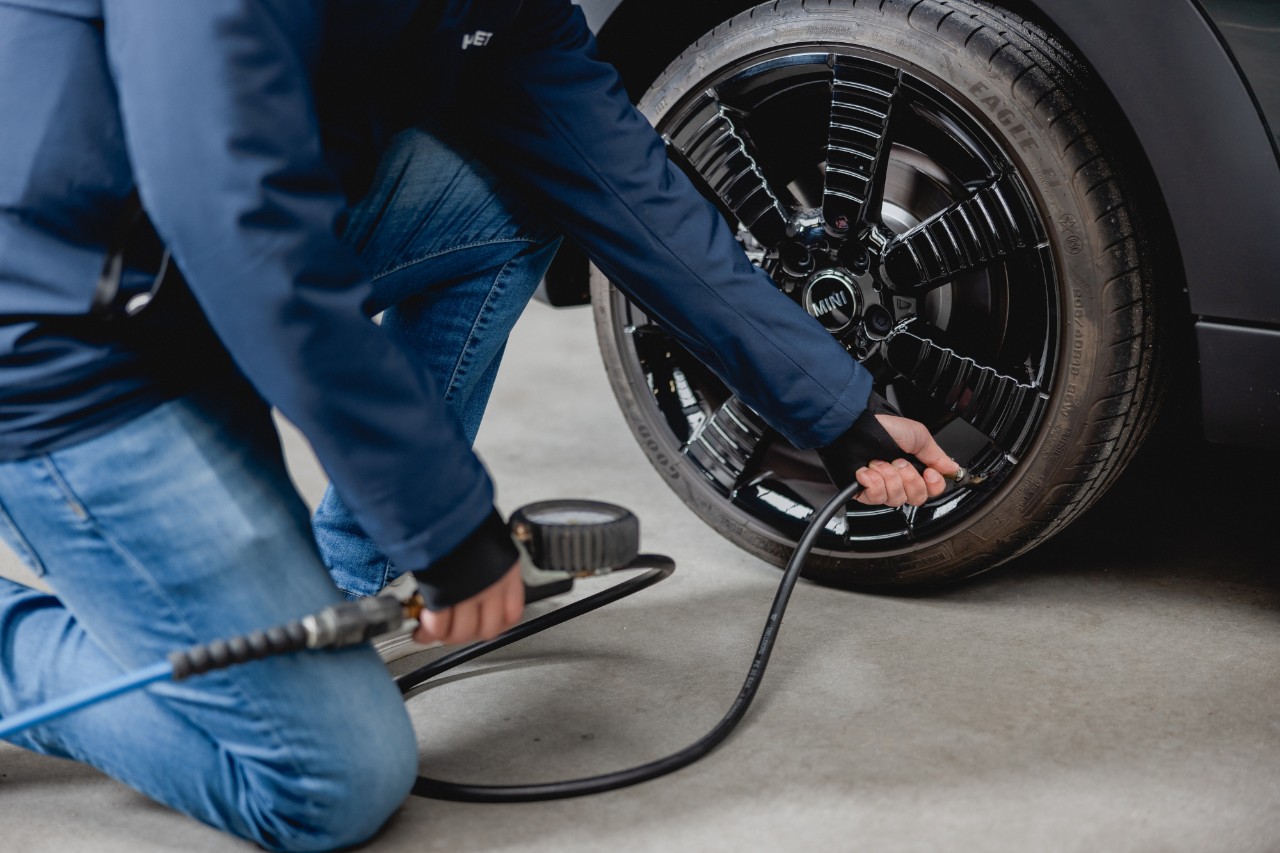
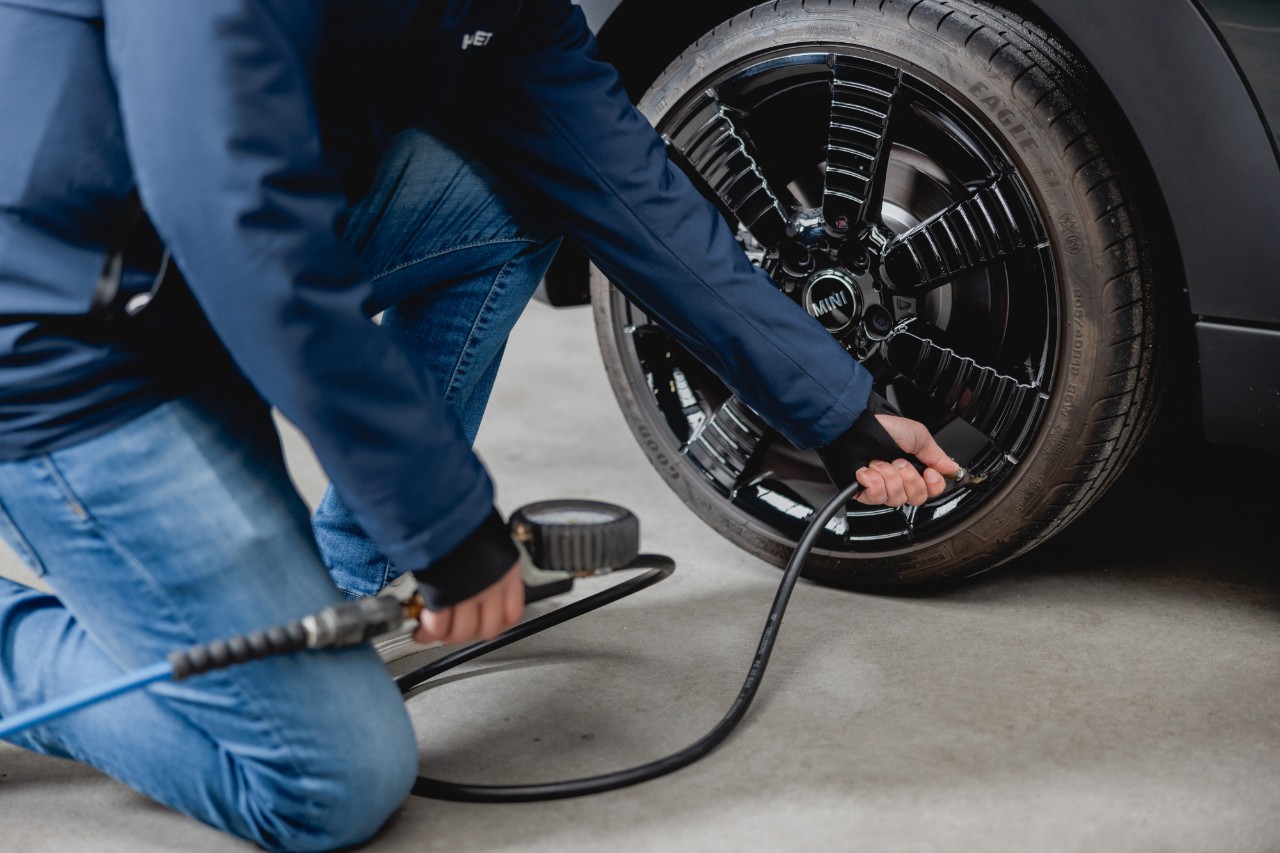
- If the tread wear indicator ridges are level with the surface of the tyre, the remaining tread is 1.6mm and it must be replaced.
- Check your tyre tread using the 20p test - If the outer band of the 20p coin is obscured when it is inserted, then your tread is above the legal limit.
If you find your tyres are near or under the legal limit (1.6mm), you will need to source replacement/s, before your MOT. Alphabet’s standard policy is to replace tyres at 2mm, removing any concern from drivers as to whether their tyres are roadworthy or not.
Whilst checking your tread depth, also check:
- Damage to the tyres, such as cuts or bulges
- Damage, including distortion or cracks, to the wheels and alloys
- All four wheels are securely attached to the car, with no bolts missing.
If any of your warning lights have been coming on intermittently, it’s worth getting them checked out before booking your MOT.
Sharp edges on the bodywork are not permitted as they could cause injury.
Any damage wider than 10mm in the driver’s central view, will cause an MOT fail, as will any damage larger than 40mm in the whole of the swept area.
Another common defect that is often overlooked, is windscreen stickers or fittings, such as sat-nav devices. Any obstruction to your view as a driver is deemed dangerous and could cause an MOT failure.
Regularly wipe the wiper blades with a damp cloth (or a little glass cleaner) to remove dirt and grit. This stops debris from scratching the rubber, helps the blades glide smoothly, and makes it easier to spot early signs of cracks, tears, or hardened edges before they get worse.
Make sure your screen wash reservoir is fully topped up before taking your car in for a test - low or empty screen wash is one of the easiest things to fail on.
Consider the below:
- Are there any cuts or frays in the material?
- Do they retract properly?
- Do they clip and unclip without hassle?
- Is the attachment to the floor or seat secure?
- If you give them a good tug, do they lock as expected?
Give your tow bar a quick check before your MOT to make sure it’s secure and in good condition. It’s an easy way to avoid any surprises on the day and helps keep everything safe when you’re towing.
Maintaining vehicle health for both petrol and diesel vehicles, as well as electric cars, during lockdown remains an important step for your future travel habits and these simple tips will help keep you on the move. There will likely be a backlog of vehicles requiring an MOT after the lockdown lifts and garages will experience a significant demand for servicing requirement. Fleet managers should encourage employees to follow these simple steps to help avoid vehicle downtime and any unnecessary delays when returning to work.