

Alphabet awarded EcoVadis Gold | Alphabet UK
Leading business mobility provider Alphabet (GB) has traded silver for the EcoVadis Gold Medal in this year’s assessment.
Published

Sustainability is no longer a lofty ideal or a peripheral consideration in corporate strategies. For companies across Europe, it has become a decisive factor in attracting and retaining top talent, particularly among Generation Z. The rising expectation for businesses to demonstrate a genuine commitment to sustainable mobility is reshaping the corporate landscape, turning sustainability from a "nice-to-have" into an essential hygiene factor.
A competitive edge in recruitment
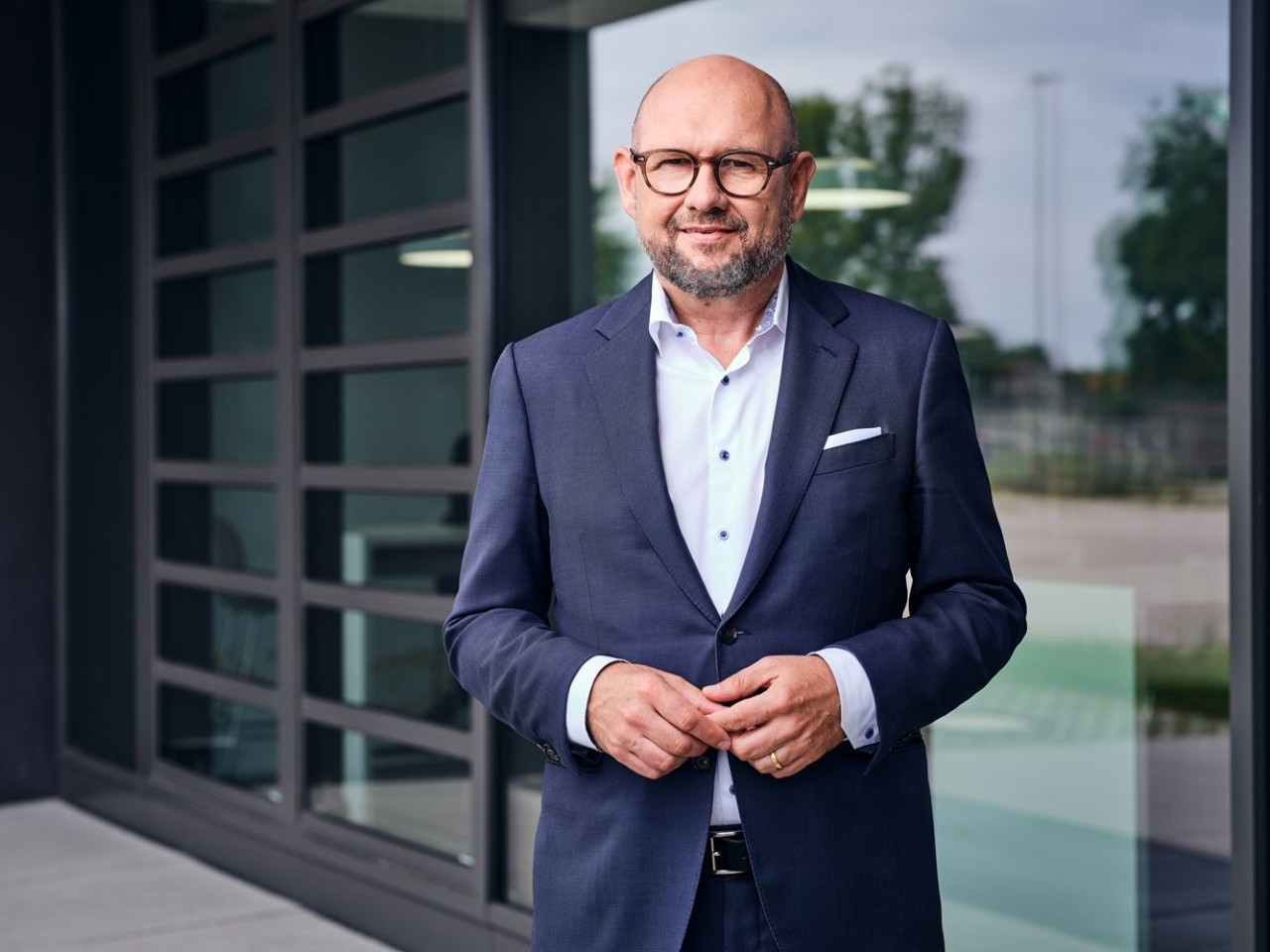
For Generation Z, sustainability isn’t just a buzzword it’s a core value. This generation is drawn to companies with clear and measurable commitments to Corporate Social Responsibility (CSR), particularly in the realm of mobility. In markets like the Nordics, Germany, and the Netherlands, employees are actively choosing to work for organisations that integrate sustainability into their operations, including their fleet policies: Uwe Hildinger, CEO of Alphabet Germany explains: “Our representative survey of Generation Z, for example, also highlighted this. Two-thirds of all respondents stated that they would prefer to have a company car with an electric drive in the future. This growing demand for sustainable mobility solutions is also reflected in our customer base, where more and more companies are seeking our consulting expertise to support their own transition.
A varied landscape across Europe
The pace of this transformation, however, varies significantly across Europe. In countries like Sweden or Germany, sustainability is already ingrained as a hygiene factor; businesses here recognise that failing to prioritise it is not an option: “Sustainability has now become a critical success factor and even an essential element for companies. We are seeing significant intrinsic motivation among our customers across all sectors to make their mobility sustainable. This is about much more than just maintaining a certain image”, Hildinger adds.
Reimagining employee benefits
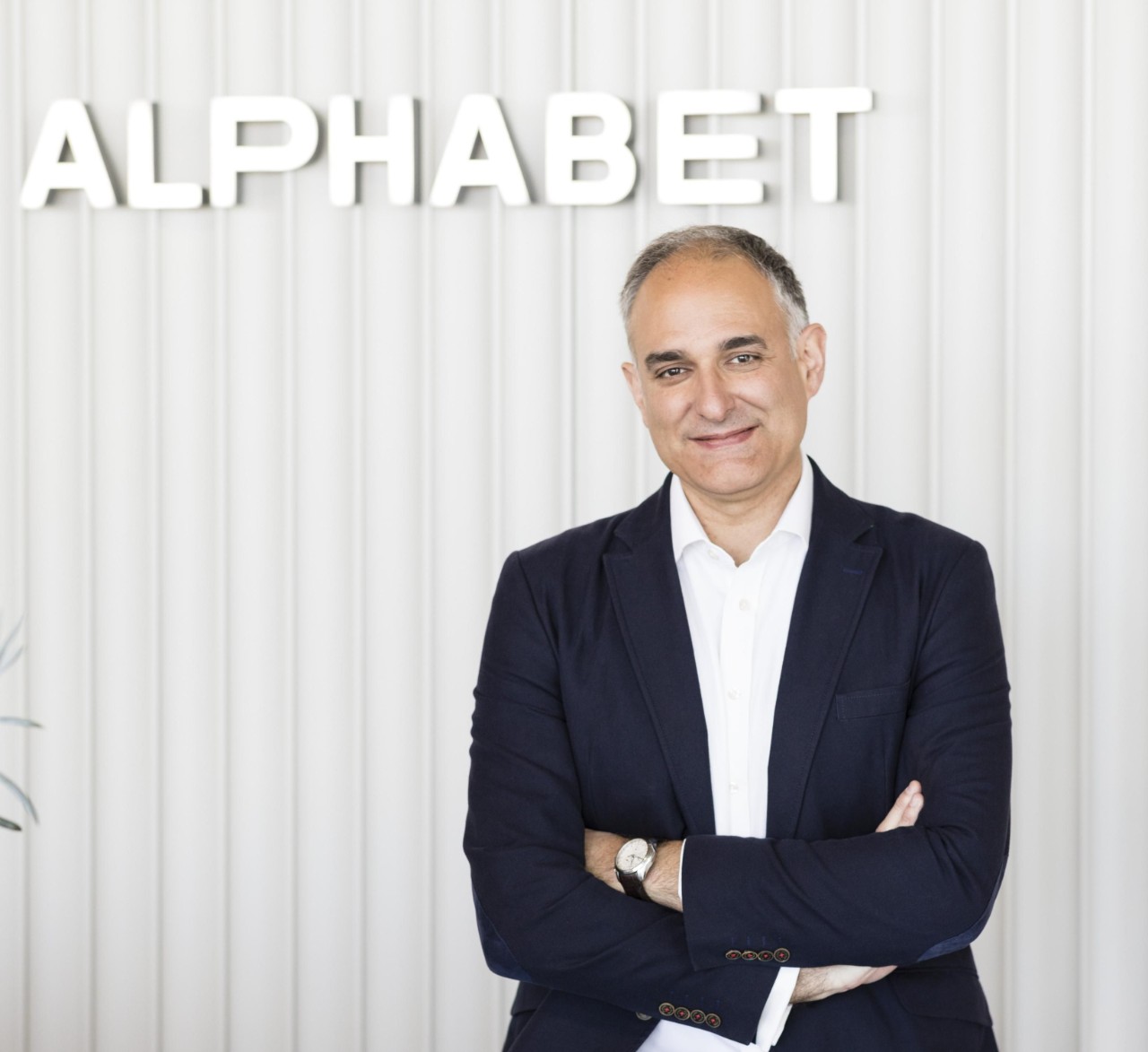
The evolving sustainability landscape is also reshaping how companies approach employee benefits, particularly the traditional company car. The classic model is losing its appeal as employees, especially younger ones, prioritise flexibility and sustainability. According to Julien Chabbal, CEO of Alphabet France, many employers are responding by offering a wider range of mobility-related benefits. These include financial support such as mobility allowances and partial or full reimbursement of public transport passes, as well as practical measures like on-site charging stations or subsidies for installing home charging points. Employees who actively choose an electric vehicle may also be rewarded with upgraded models, further encouraging the shift to greener mobility.
From policy to practice
As sustainability evolves into a baseline expectation, companies must transition from rhetoric to action. Businesses that adapt quickly and authentically will not only strengthen their employer brand but also position themselves as leaders in the journey toward a more sustainable future. Sustainability is no longer a secondary consideration – it’s the foundation upon which successful companies will build their future.
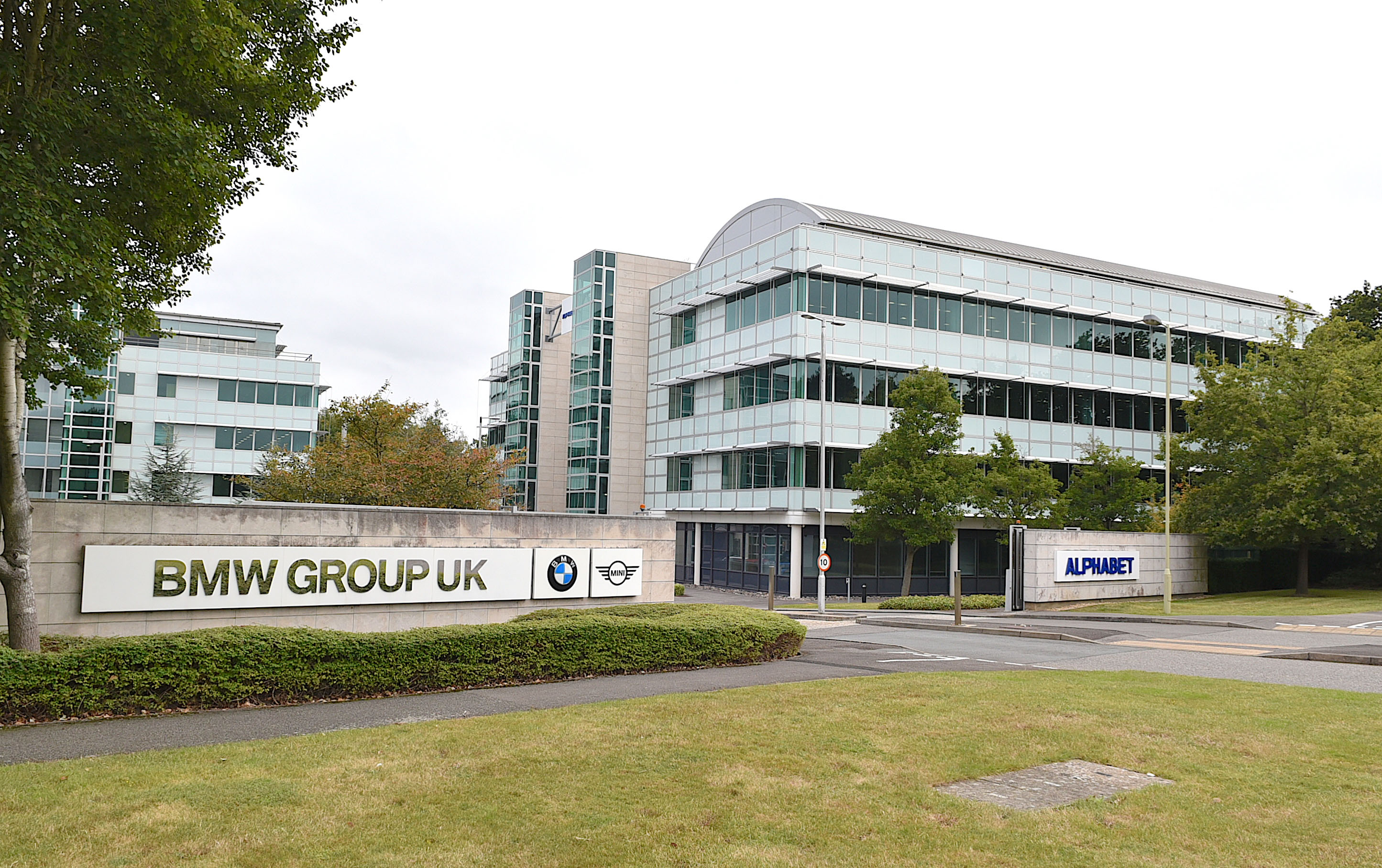
Leading business mobility provider Alphabet (GB) has traded silver for the EcoVadis Gold Medal in this year’s assessment.

Alphabet is pleased to announce a leadership transition which will see Ursula Wingfield become Chief Executive Officer.
Leading business mobility provider Alphabet (GB) has been awarded Trusted Brand Gold status by independent fleet analyst FleetWise.