







Alphabet awarded EcoVadis Gold | Alphabet UK
Leading business mobility provider Alphabet (GB) has traded silver for the EcoVadis Gold Medal in this year’s assessment.
Published

The fleet management industry stands at a crossroads, shaped by the rapid adoption of digital technologies and the transformative power of connected car data. This shift is not merely a trend but a decisive moment that will create clear leaders and late adopters in the market. As digital transformation accelerates, companies must embrace change or risk irrelevance in an increasingly digital-first landscape.
Bridging the digital divide in fleet management
The pace of digital transformation in fleet management is creating a divide within the industry. Companies that embrace cutting-edge technologies, such as AI integrations, advanced analytics, and self-service platforms, are setting new benchmarks in operational efficiency and customer experience. These advancements allow for seamless fleet operations, enhanced user satisfaction and most importantly improved cost control, positioning these organisations as leaders in the digital era.
Navigating data privacy and compliance
Privacy concerns, compliance with complex legal frameworks, and the sheer scale of data collected pose significant hurdles. The sector is preparing for this data explosion, but the ability to navigate these issues will ultimately determine who can fully leverage the potential of connected cars. Recognising the sensitivity of connected car data, companies such as Alphabet are committed to upholding robust data privacy standards and compliance with legal frameworks like the GDPR. This includes limiting data use to essential operational purposes, implementing strong security measures, and providing customers with transparency and control over their data. The ability to navigate these complex privacy and legal landscapes will ultimately shape how effectively fleet managers can harness connected car data while maintaining trust and integrity.
This shift underscores a broader movement toward decentralised, data-driven decision-making – where digital tools are not just support systems, but strategic enablers. By empowering customers to take more control, companies can reduce inefficiencies, enhance responsiveness, and build the resilience needed to thrive in a market defined by speed, complexity, and constant change.
In this rapidly evolving landscape, companies are encouraged to assess their readiness for digital transformation and to prioritise secure, compliant data practices. Doing so will be essential to meet the growing demand for digital-first fleet solutions and to remain competitive in an industry defined by speed, complexity, and constant change.
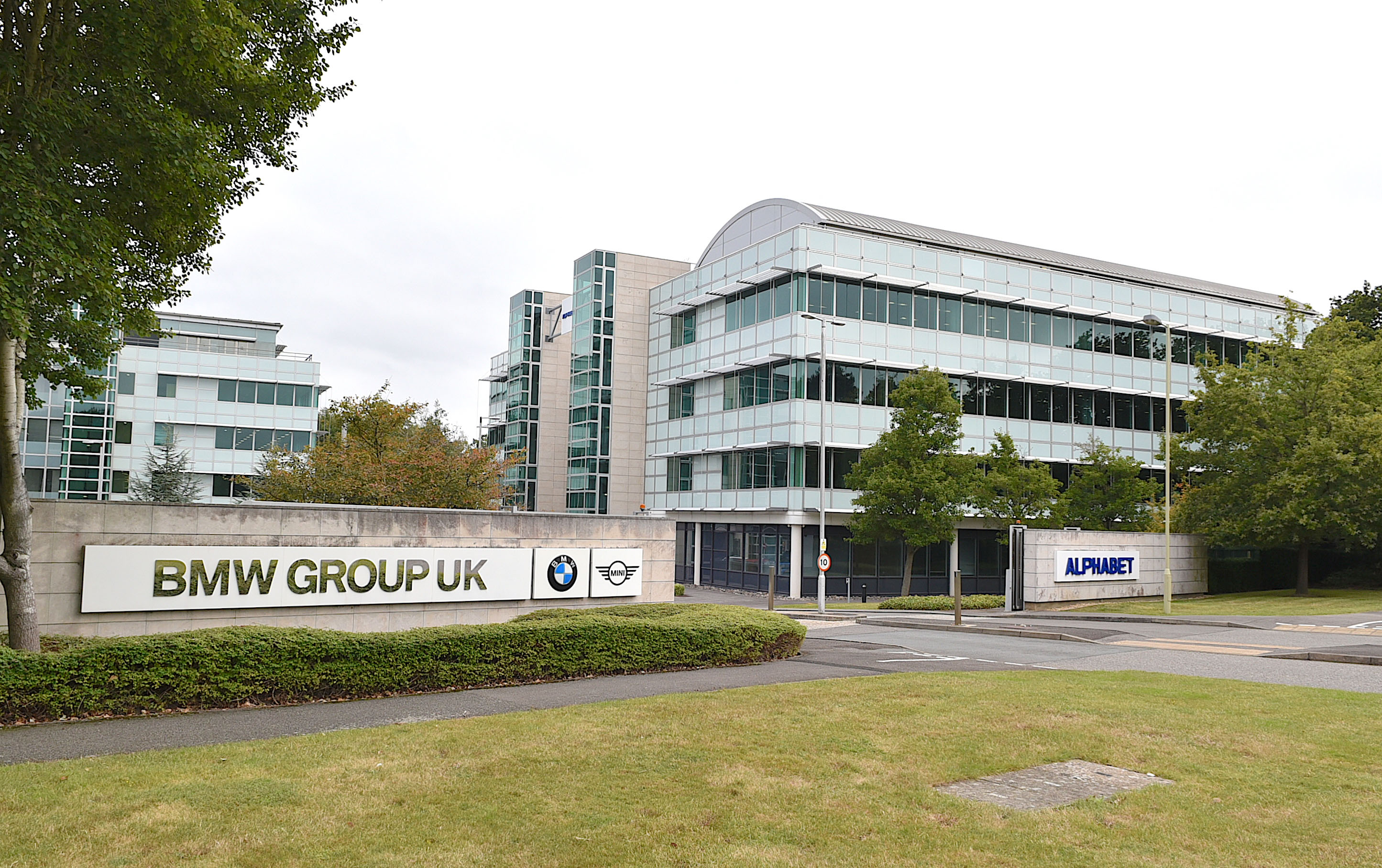
Leading business mobility provider Alphabet (GB) has traded silver for the EcoVadis Gold Medal in this year’s assessment.

Alphabet is pleased to announce a leadership transition which will see Ursula Wingfield become Chief Executive Officer.
Leading business mobility provider Alphabet (GB) has been awarded Trusted Brand Gold status by independent fleet analyst FleetWise.