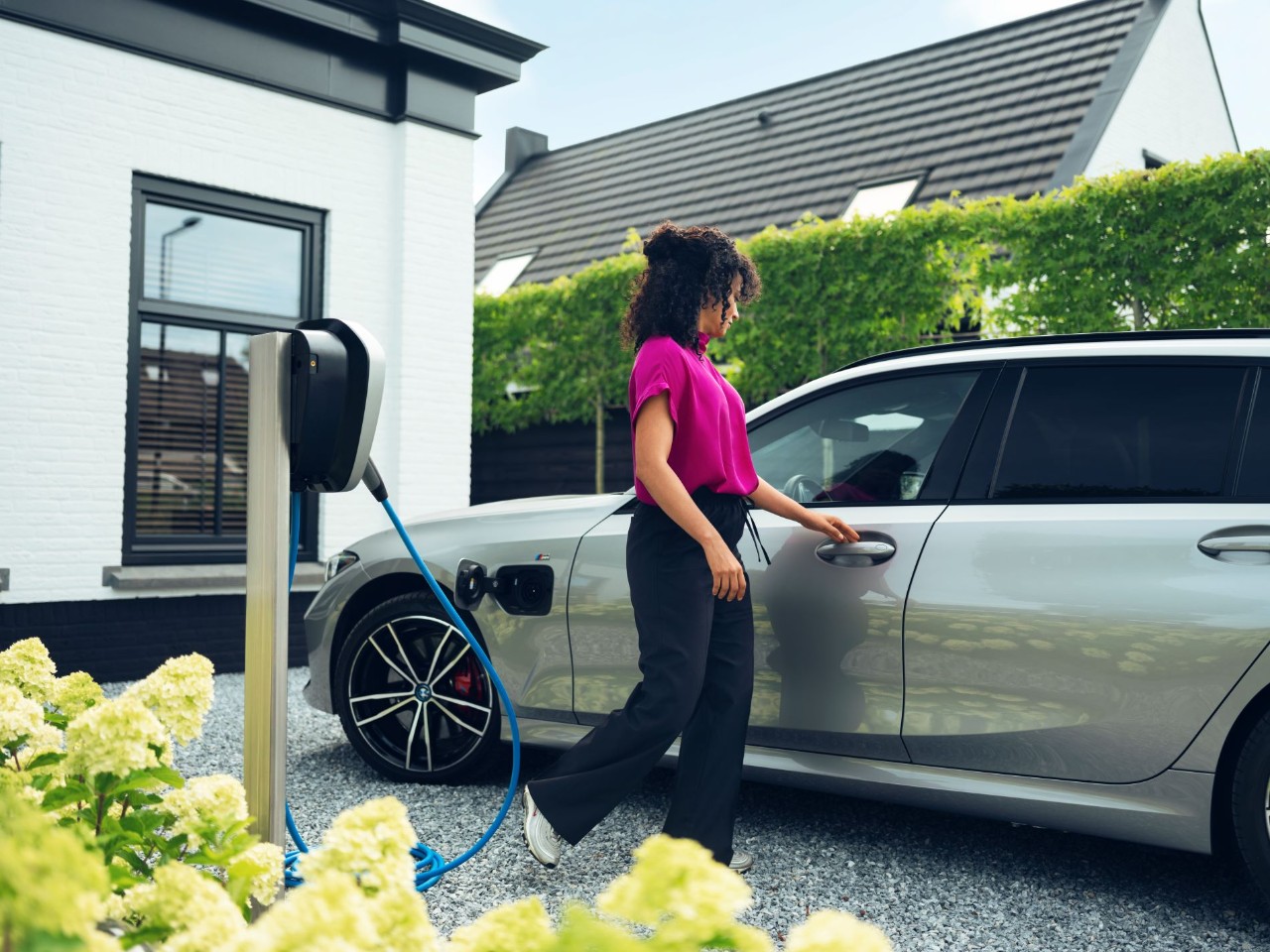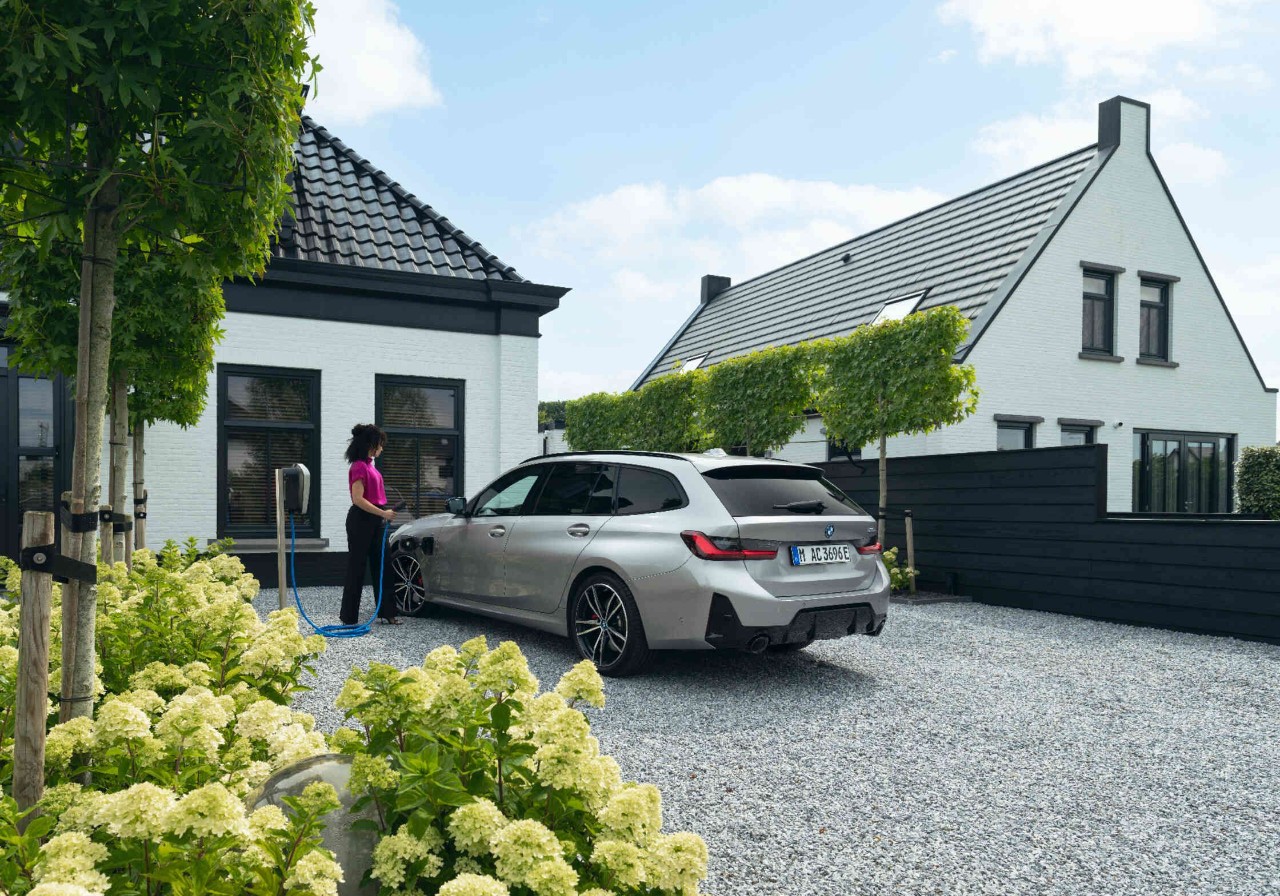
The capacity tariff came into effect in Belgium on 1 January 2023. This means that private individuals and small to medium-sized enterprises (SMEs) will need to monitor their electricity consumption more closely to avoid high bills. This will also affect the way we use EV home chargers.
In this blog post, we’ll tell you everything you need to know about how the capacity charge will affect your EV charging habits.

Calculation for digital and analogue meters
Digital meters
Digital meters register your average electricity usage every fifteen minutes.
The fifteen minutes in which you use the largest amount of electricity will determine your capacity charge for the month.
Analogue meters
With analogue meters, the tariff is calculated based on:.
- a fixed portion corresponding to peak consumption of 2.5 kW (roughly the average for a two-person household),
- an additional portion is based on the amount of electricity you actually consume.
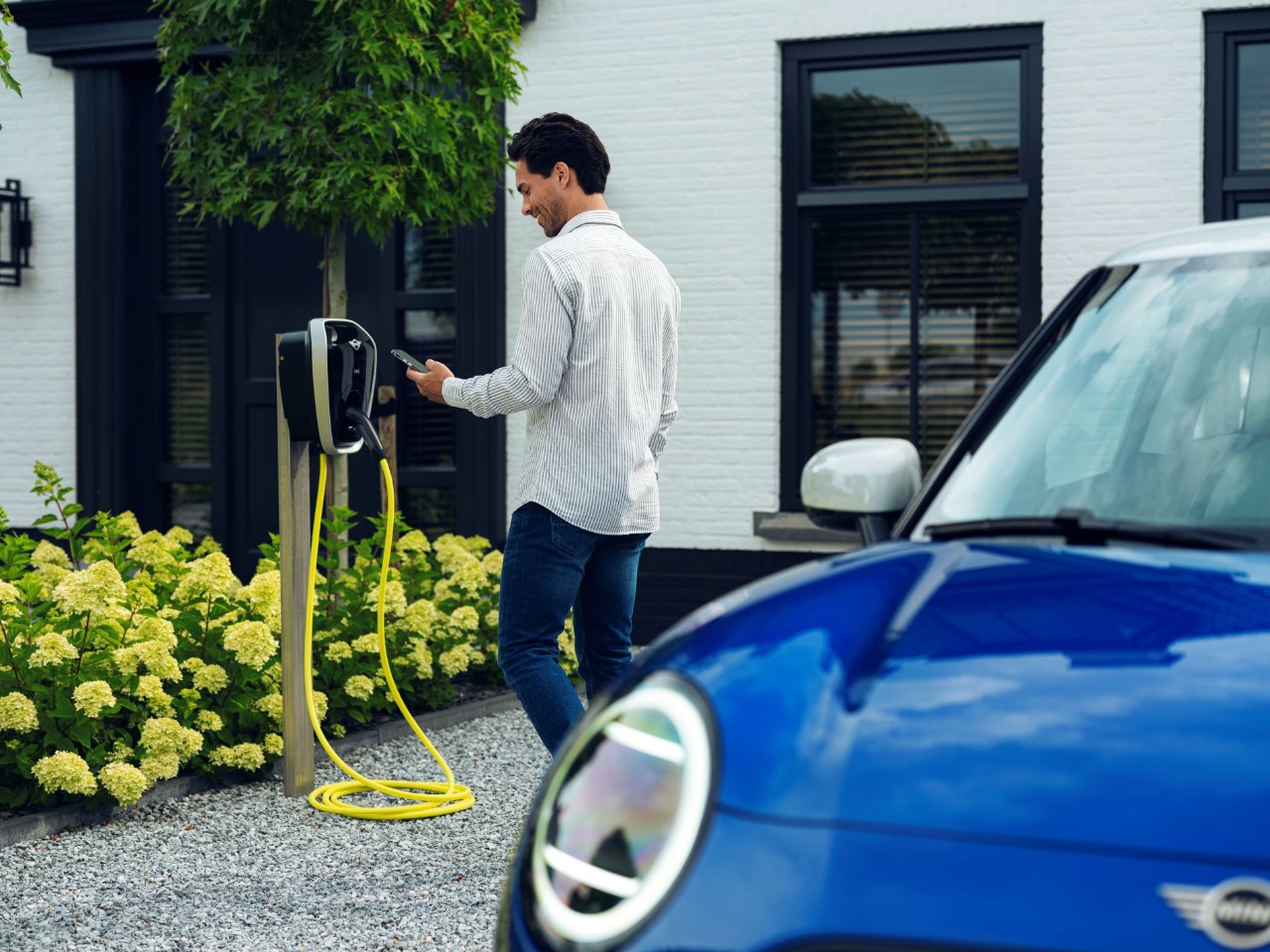
The difference between smart and conventional charging stations
Smart charging stations
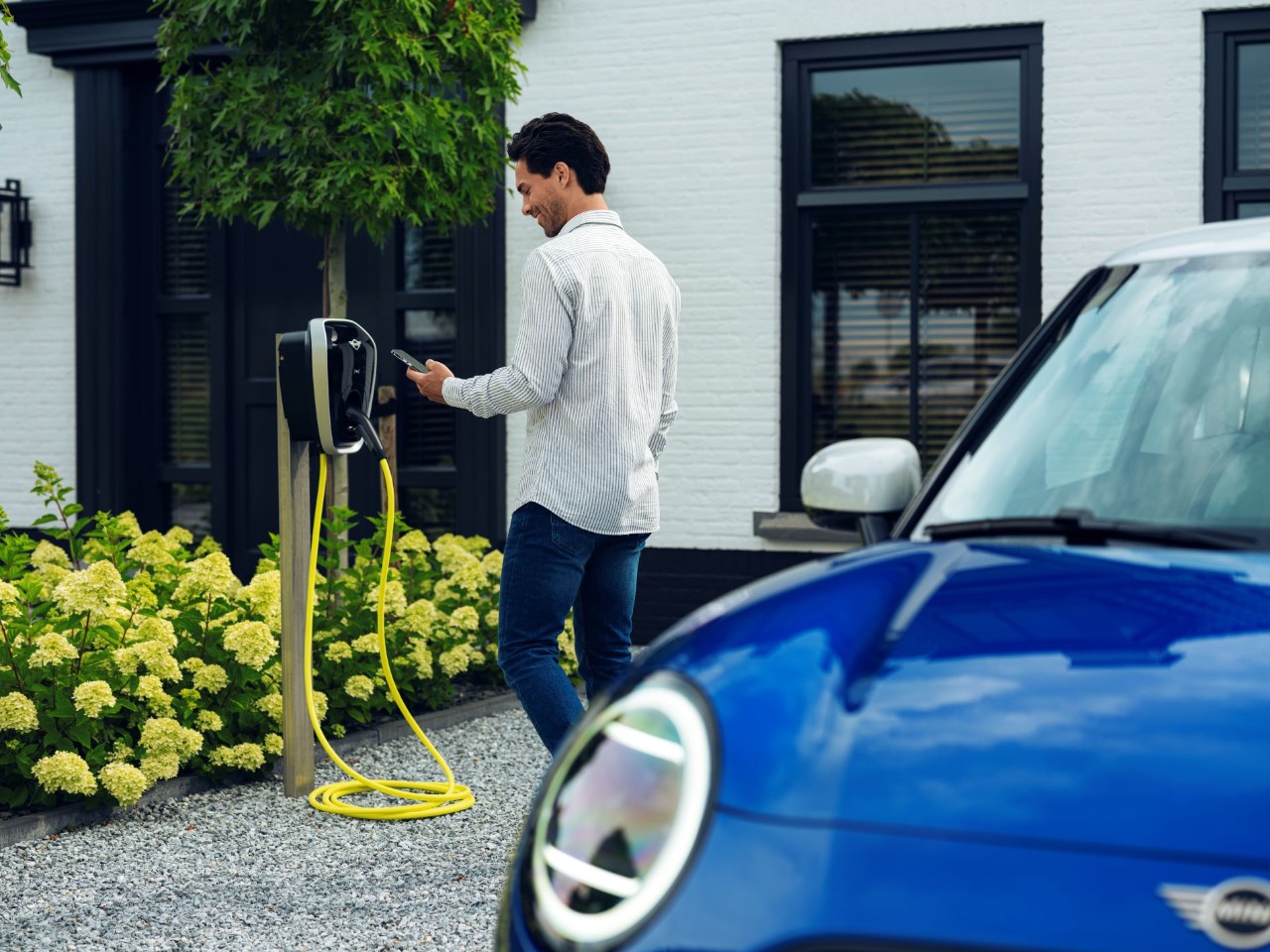
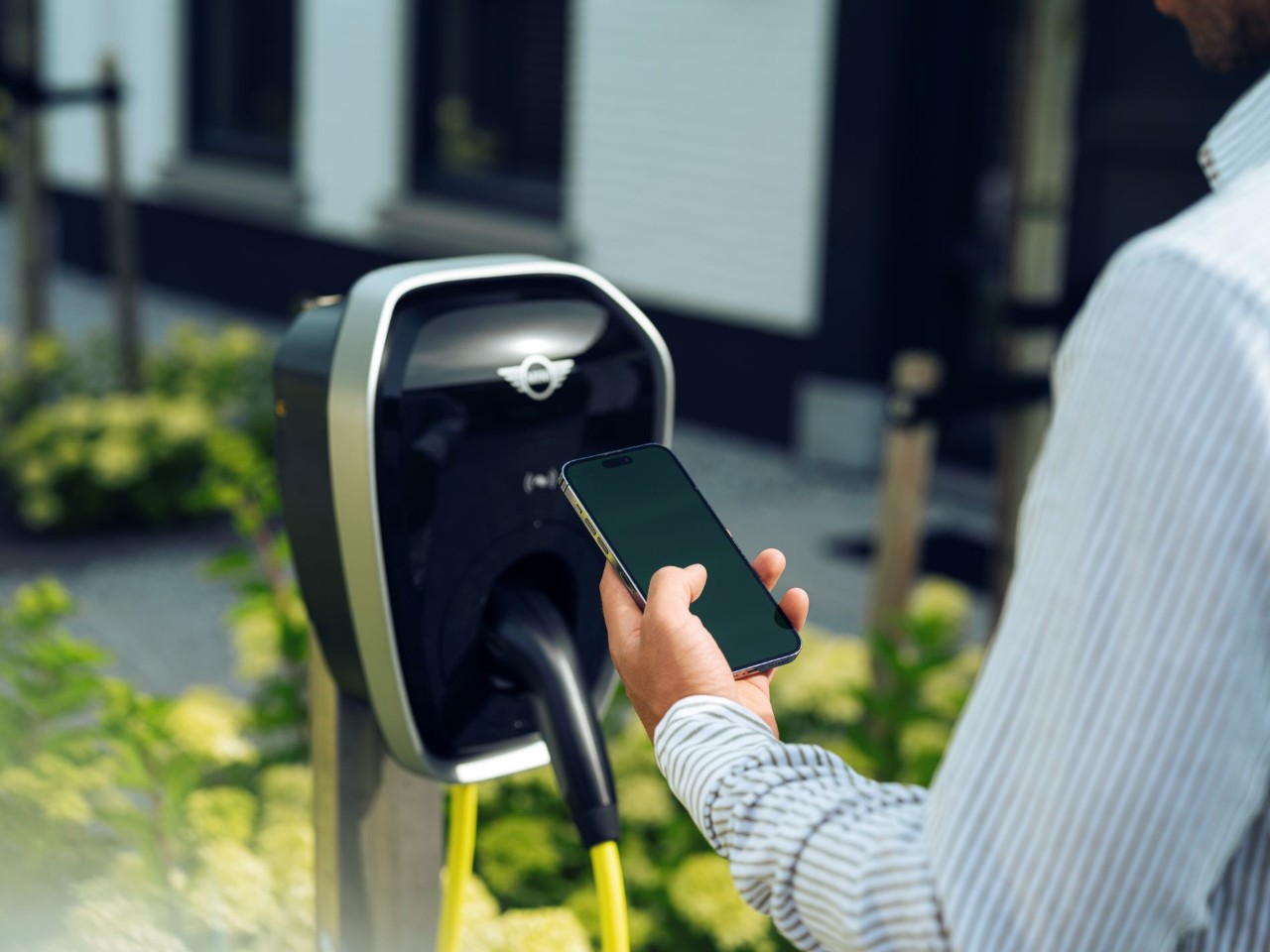
Smart charging stations contain software and can be connected to a digital management system. This enables them to 'communicate' with other devices during charging and automatically adjust their consumption according to a pre-set peak level.
Additionally, smart charging stations provide insight into consumption and charging costs, and can handle financial transactions. This is of particular interest to companies and their employees. Employees can register their charging costs and claim back the cost of charging sessions at their (smart) home charging stations.
Conventional charging stations
Conventional charging stations operate on the 'plug and charge' principle: you plug in the cable and your electric car starts charging. However, these types of charging station do not contain any software and therefore do not offer any of the advantages of smart charging stations.
- There is no connection to a management system.
- No automatic consumption control
- No insight into consumption and charging costs
- Financial transactions are not possible.
How do you spread your consumption with your charging station?
A smart charging station automatically adjusts the charging consumption to suit the rest of your home when you charge your electric car. This means that you do not need to constantly monitor your consumption.
You can also set the time at which you would like the charging station to start charging. For example, you can set it to start charging when a certain level of consumption has been reached in the rest of your home, or at a specific time. It is recommended that you charge your car at night or at times when your other large appliances are not in use.
A conventional charging station will start charging your electric car as soon as you plug in the cable. Your charging station will always operate at the same fixed power and cannot automatically regulate or adjust consumption.
Therefore, it is essential to spread your consumption as much as possible and monitor it carefully. You can achieve this by charging your electric car at night, for example, or at times when none of your other large appliances are in use.
If you are considering installing a conventional charging station, it is advisable to install a digital meter. Otherwise, you will pay a flat monthly rate and won't be able to save money, even if you spread your consumption.