How do EV charging stations work?

Published on 24/9/2024

Are you thinking of leasing an electric vehicle or already driving one? Then a charging station is essential. But how exactly does a charging station work? Is it as simple as plugging the cable into your vehicle and the charger? And what about aspects like charging capacity and features?


Discover everything you need to know about how charging stations work in this blog.
How to use a charging station?

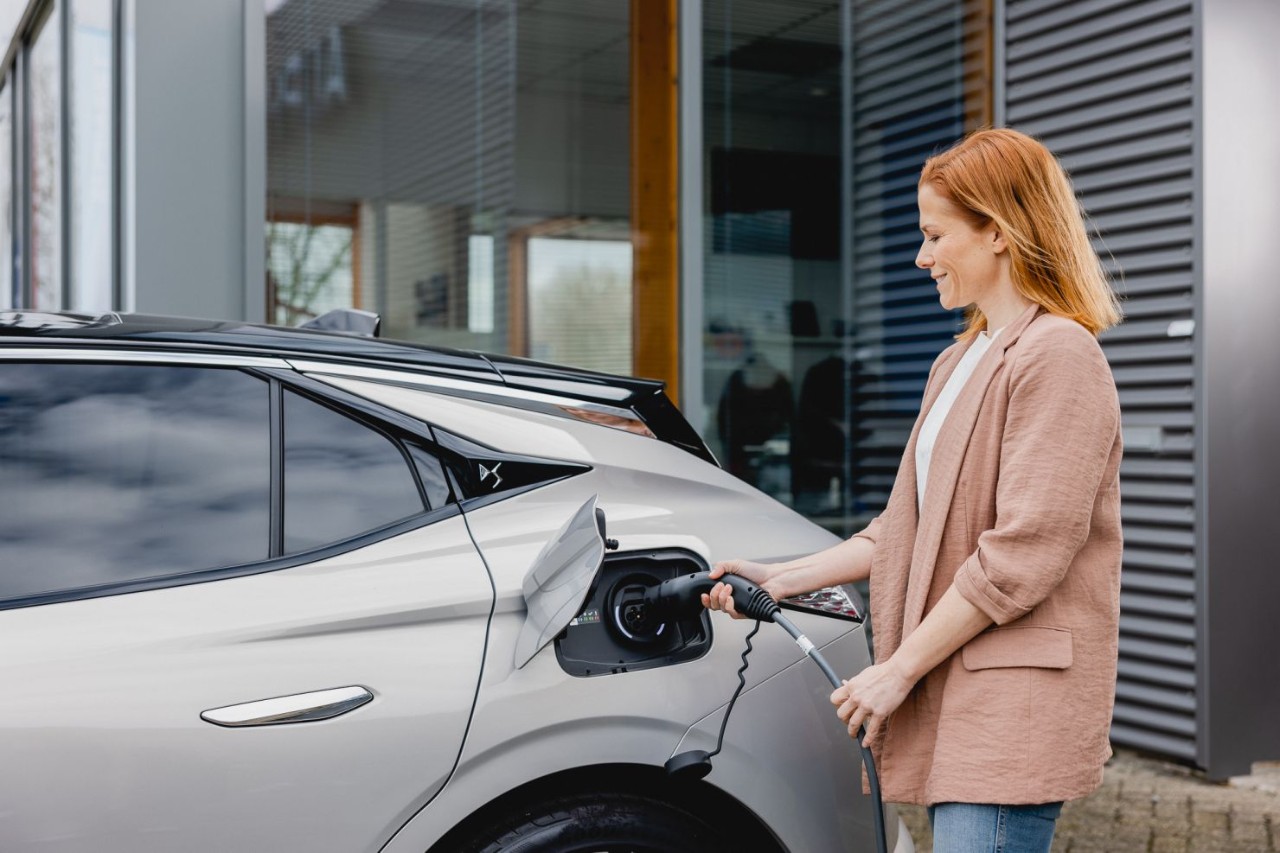
Plug one end of the charging cable into your vehicle and the other into the charging station.


For most chargers, such as public charging stations, you need to use your own charging cable. Fast chargers, on the other hand, have a fixed cable that you can use.


Be sure to check with your fleet manager whether you are allowed to use a fast charger with your charging card.

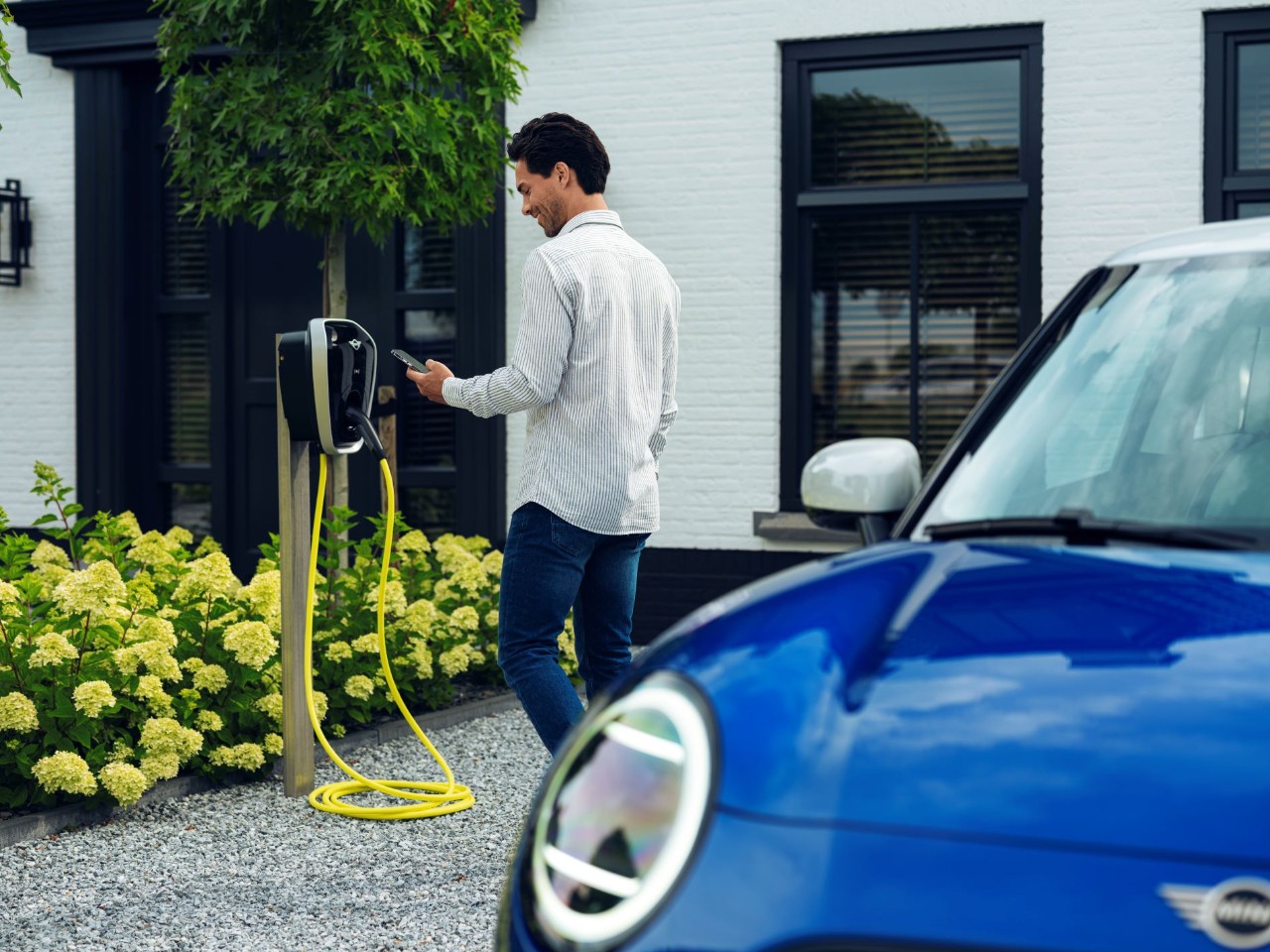
Do you have a home charging station? With most home chargers, your vehicle starts charging as soon as it is connected.


With other types of chargers, such as public ones, you start the charging session with your charging card. Some chargers also allow you to select a charging mode (standard or semi-fast). By choosing the right charging mode, you can optimise charging time, costs, and battery health.

If you are using a ‘smart’ or public charging station, you need to scan your charging card again to stop the charging session. This allows your charging card provider (or employer) to know where and how much you have charged, and to issue an invoice for the charging costs (or reconcile the costs).


If you are using a standard home charger, you can simply unplug the charging cable from your vehicle to stop the session.

Is your vehicle sufficiently charged? Unplug the charging cable from your vehicle and the charging station (if using a detachable cable).


Then store your cable safely, or be sure to take it with you.

How much power can a charging station deliver?

The maximum power a charging station can deliver depends on:


  • The type of charging station;
  • The electrical installation the charger is connected to;
  • The available power (for smart chargers).


Standard chargers can deliver a charging power of 3.7 kW to 22 kW. Fast chargers offer a charging power of at least 30 kW and up to 350 kW.


The maximum power a charger can provide partly determines how quickly your electric vehicle can charge. Two other factors that affect charging time are the vehicle’s (maximum) battery capacity and the maximum charging capacity the vehicle can handle.

Which charging cables can you use?

Electric vehicles come with two charging cables:


  • A cable for charging from a standard socket (Mode 2 cable);
  • A cable for charging at a (public) charging station (Mode 3 cable).


Most public chargers and fast chargers have a fixed cable that you can use.


If you drive a company lease vehicle, you may also receive a smart charging cable if you don’t have a smart home charger. With the smart cable, your employer can manage the reimbursement of your charging costs.

Features of a smart charging station

(Dynamic) load balancing

Smart charging stations can adjust the charging speed based on the available power, the consumption of other devices (e.g., other chargers), and the current energy tariffs.

Time-based charging

Owners can set when their vehicle should charge, for example during off-peak hours when electricity prices are lower. This is not only cost-effective but also better for the electricity grid. You can set this in the car itself, but often also via the smart app of your car, charging station, or charging station operator on your smartphone.

Access management

Owners can choose to make their charging station private or semi-public. With the latter option, other people can use your charger for a fee.

Remote monitoring & maintenance

Many smart charging stations come with their own app. This allows owners to monitor and manage their charger remotely. You can, among other things, track charging sessions, check the status of the charger, and perform diagnostic tests.

Data analysis & reporting

Owners can receive detailed reports on charging sessions, energy consumption, charging costs, and more.

Bidirectional charging

Some smart charging stations support bidirectional charging. This means that vehicles can not only be charged, but also feed electricity back to the home, business, or the grid. Whether your charger can charge bidirectionally also depends on your vehicle, which must be equipped with a bidirectional inverter.