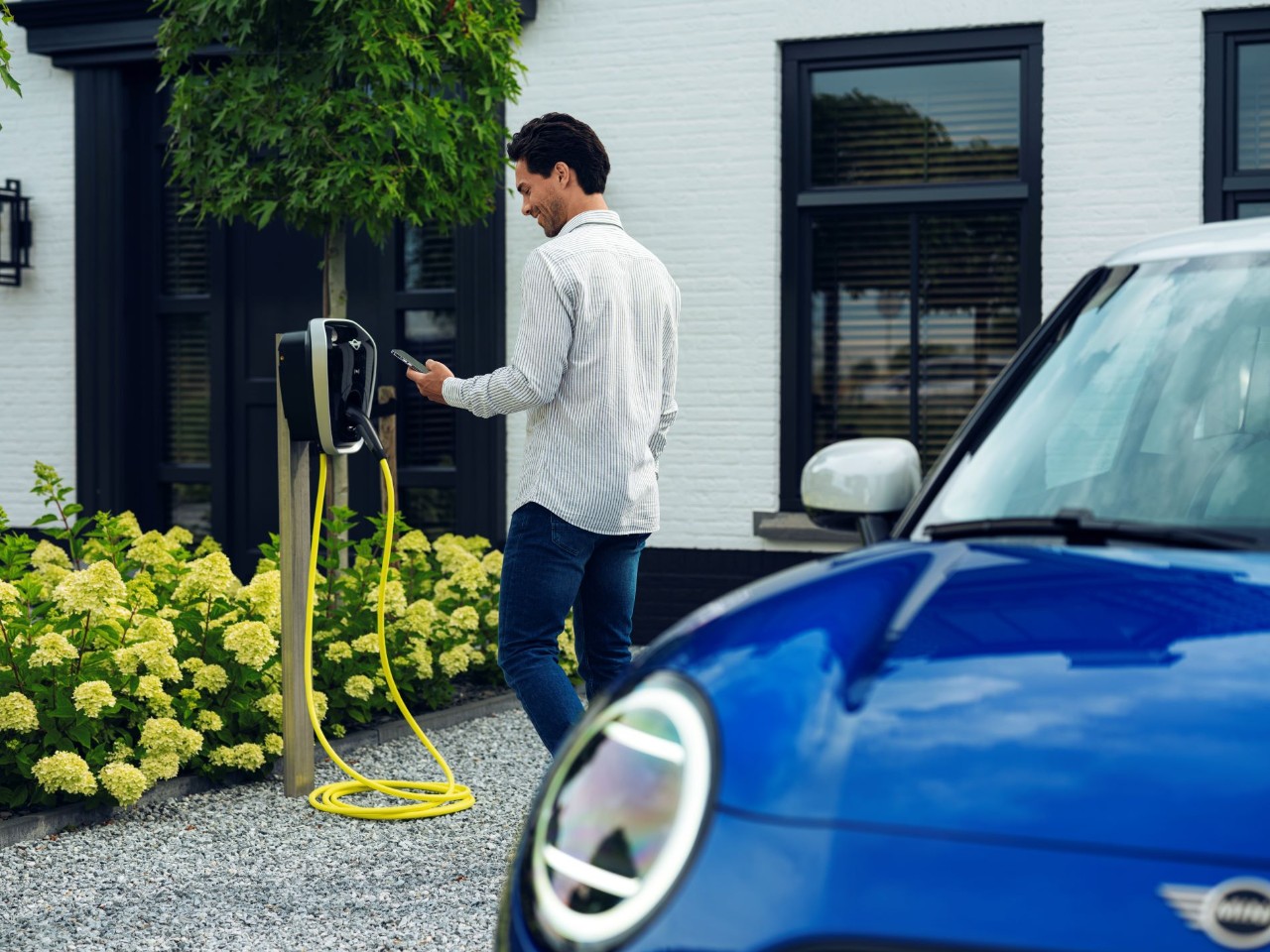





We now agree that the future of the car is electric. However, there is still a great deal of ignorance about the practical issues involved in switching to an electric vehicle. For example, a traditional refuelling process is no longer an issue with electric cars.


If you want to drive electrically, you will need to plug your car into a charging point. That charging can also happen perfectly at home – while you sleep, for example. But what should you take into account if you are having a charging station installed? In this blog we will answer the most frequently asked questions about the installation of a home charging point and list the most important points for consideration.

What capacity do you need to charge an electric car at home?

Normally, you can always charge your electric car at 7.4 kW. Although most cars can also charge semi-fast (at 11 or 22 kW) or fast (at 43 kW). When charging at home, 7.4 kW and semi-fast charging are the most common options. Be sure to ask the car salesman at what power you can charge your electric car.

What kind of charging stations can you choose from?

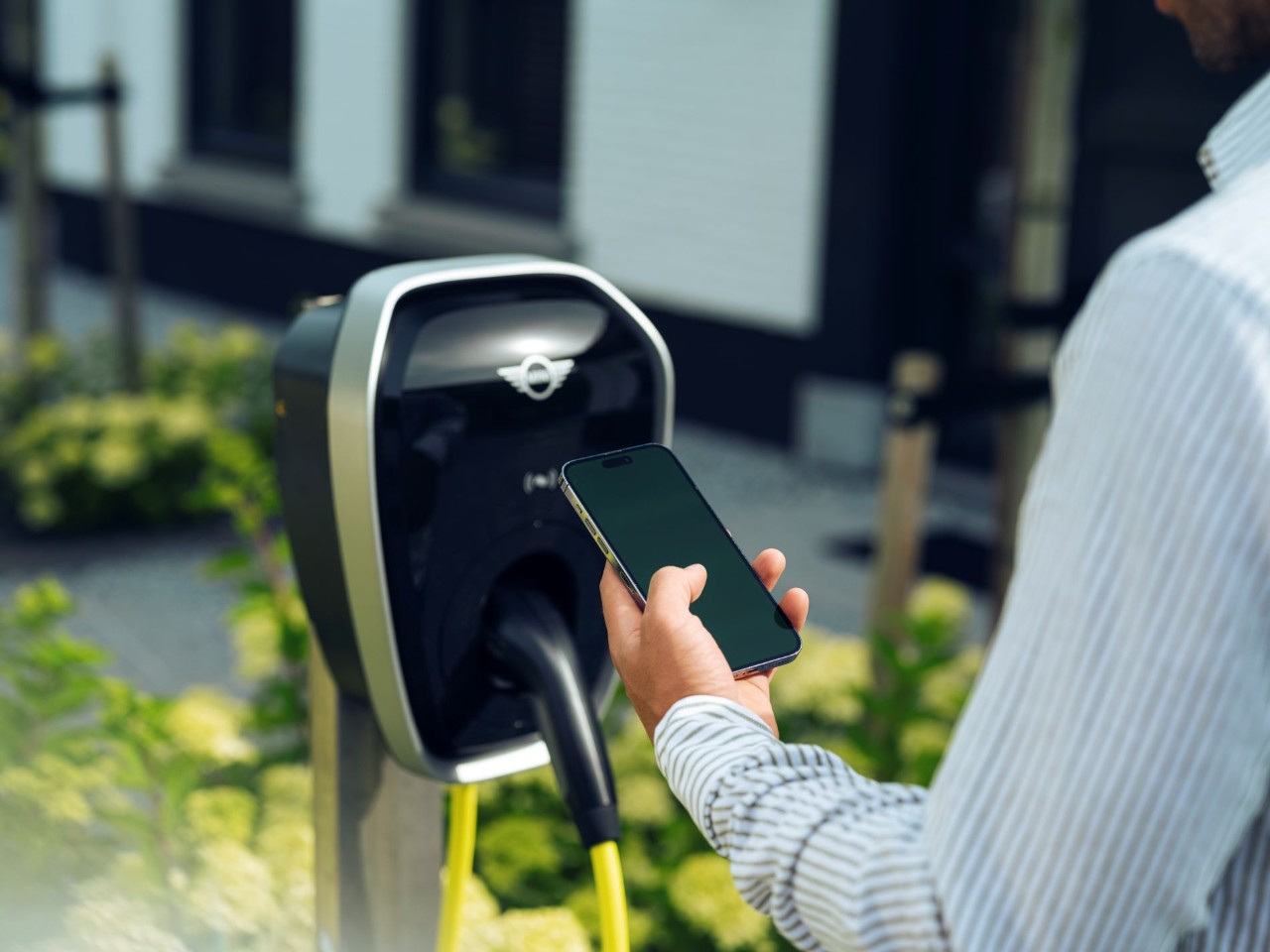
When you choose a charging station, you have several options. For example, a charging station can not only charge, but also record your consumption and pass it on to your employer. Be sure to discuss the following options with the installer of your home charging point:

If you choose this option, the charging station only needs to convert the power from your home network. This makes the charging session completely safe and also faster.

Do you have a company car and does your employer pay for the charging of your car? Then this type of charging station is probably a good choice. Of course, this option is also completely safe and fast.

This solution is the most advanced. As with the other two options, you can charge quickly and safely at home, although you need a digital meter or an extra module in your charging station for this type of charging station.


To determine which charging station is best to install, you must look at two things: you must consider the technical capacity of your car and the technical capacity of your electricity network. We will tell you more about the latter below.

Which connection does your own network need?

Your domestic network can be connected to a 1-phase network or a 3-phase network (also called a multi-phase network). If you want to charge semi-fast, you will need a 400-volt 3-phase network. You may therefore have to invest in a 3-phase connection to install a semi-fast charging station. The charging station installer will check whether such an increase in your network is necessary. If it needs to be increased, contact your network administrator; they can arrange that.

How can you tell which connection you have?

The difference between the two types of connection is easy to identify. With a 1-phase connection, two cables will come out of the meter box. Inside the meter box, there is one double fuse. With a 3-phase connection, there are four cables and two double fuses in the meter box.


The table below provides an overview of the power at which a charging station can operate, the charging time, and the required power. The data in the table is based on an electric vehicle with a battery capacity of around 60 kWh. Examples of vehicles with such a battery capacity include the Volkswagen ID.3 Pro Performance (58 kWh), the Renault Mégane E-Tech (60 kWh) and the Polestar 2 Standard Single Motor (61 kWh).

How is the charging time of an electric car calculated?

First, calculate the power of your charging station. To do this, multiply the voltage (in volts) by the current (in amperes). The result is a value expressed in watts. For example:


  • Power: 230 V x 16 A = 3,680 W
  • 3,860 W/1,000 = 3.86 kW (rounded to 3.7 kW).


Then, divide the capacity of your car’s battery (in kWh) by the power of your charging station (in kWh). For example: 


A BMW iX3 has a battery capacity of 74 kWh.


Therefore, with a 3.7 kWh charging station, it would take 20 hours to charge an iX3, whereas with a 22 kWh charging station, it would take just three and a half hours.

What questions should you ask yourself when having a charging station installed?

If you want to have a home charging station installed, there are two important questions to consider.


  1. Firstly, you should ask the car salesperson what maximum power your electric car can charge at.
  2. Secondly, ask the installer of your home charging station what power it can use. The network manager will also inform you whether and how much your installation can be increased.


Do you have any questions about electric cars and electric driving? If so, please do not hesitate to contact our experts.

Related articles and services

  1. How does a charging station work?


  2. Winter tires: 8 myths debunked


  3. What is the impact of the capacity charge on EV chargers?