Tips to be economical with the battery consumption of your EV in winter

Published on 30/12/2024

It’s the same every year: the first cold spell hits, and many cars start sputtering. While it's no secret that gasoline car batteries struggle in cold temperatures, electric car batteries sometimes suffer from a winter dip as well. Fortunately, there are many things you can do to maintain your EV’s range during the winter.


In this blog, we will take a closer look at how cold affects your battery and provide some smart energy-saving tips.
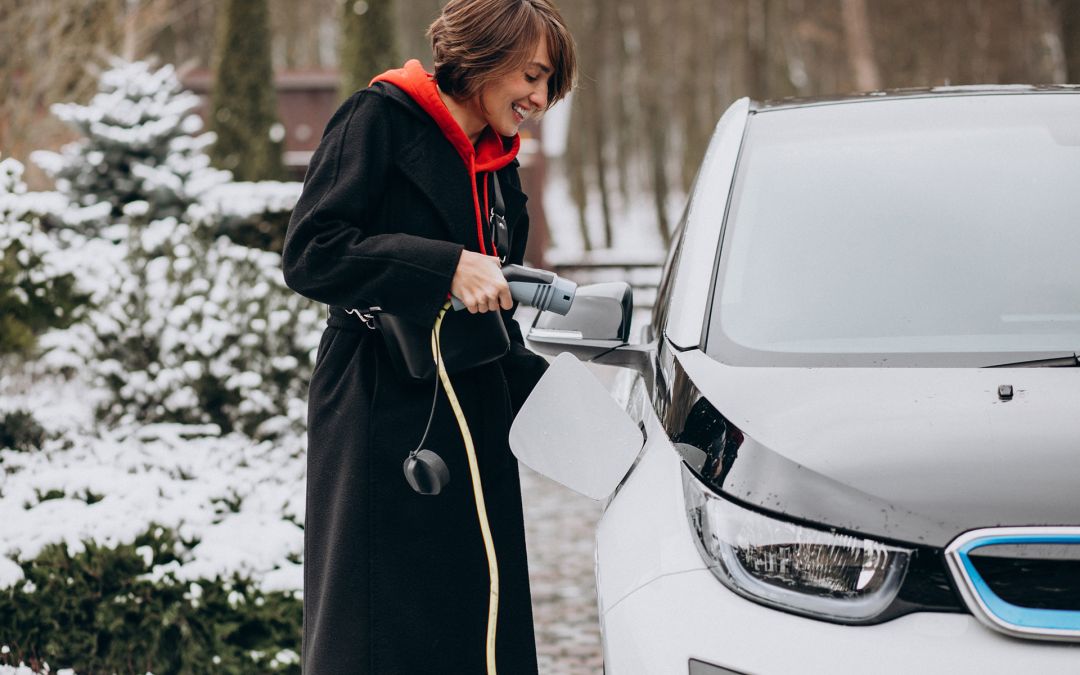



Woman charging her electric car in winter

Why does the range of your electric car drop in winter?

There are several reasons why your car's range decreases:


  • Lithium-ion batteries are sensitive to temperatures below 10°C. Your vehicle will need to charge for longer and will have less power.
  • In the winter, you often run your car’s heating at full capacity. This also requires a great deal of energy.
  • Winter tires are a safe choice when it gets cold because they provide more grip. However, they also have higher resistance, which leads to increased battery consumption.


Below 0°C, the battery of your EV will start to discharge sponteneously, which significantly affects your car's range.


In general, electric cars have about a 30% lower range in winter.


Want more specific figures for your car? Check www.ev-database.org for more information.

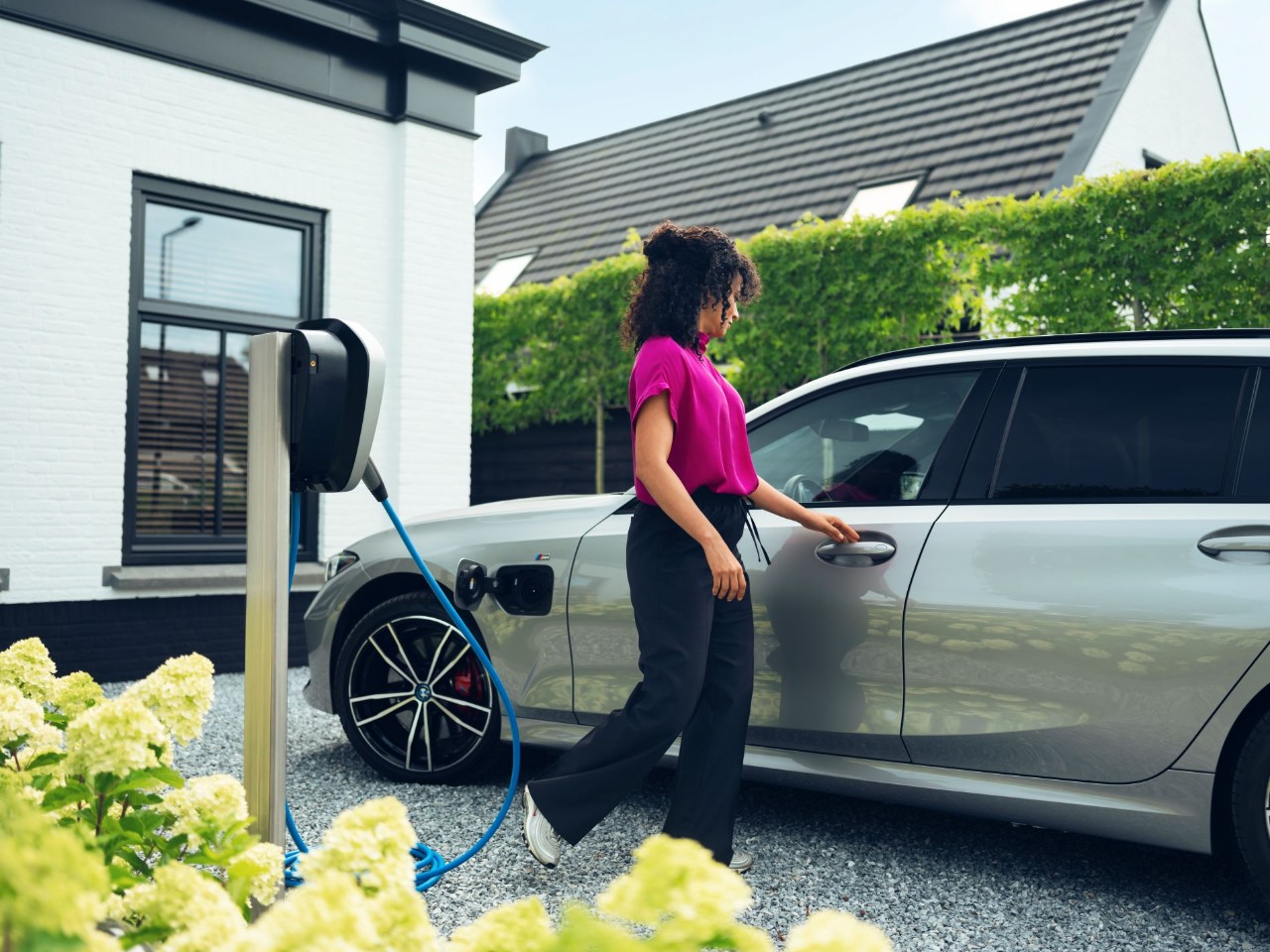
Woman next to her electric car

What can you do if your EV is stationary?

Park your car inside whenever possible.


If you have the option, park your electric car inside. Your car's battery will thank you.


Keep your car connected to the grid as much as possible.


Keep your car permanently connected to the mains when parked. After all, your car’s battery loses energy, albeit a little, if you don't drive it.


It is recommended that you not charge more than 90%, as this will also damage your battery. 

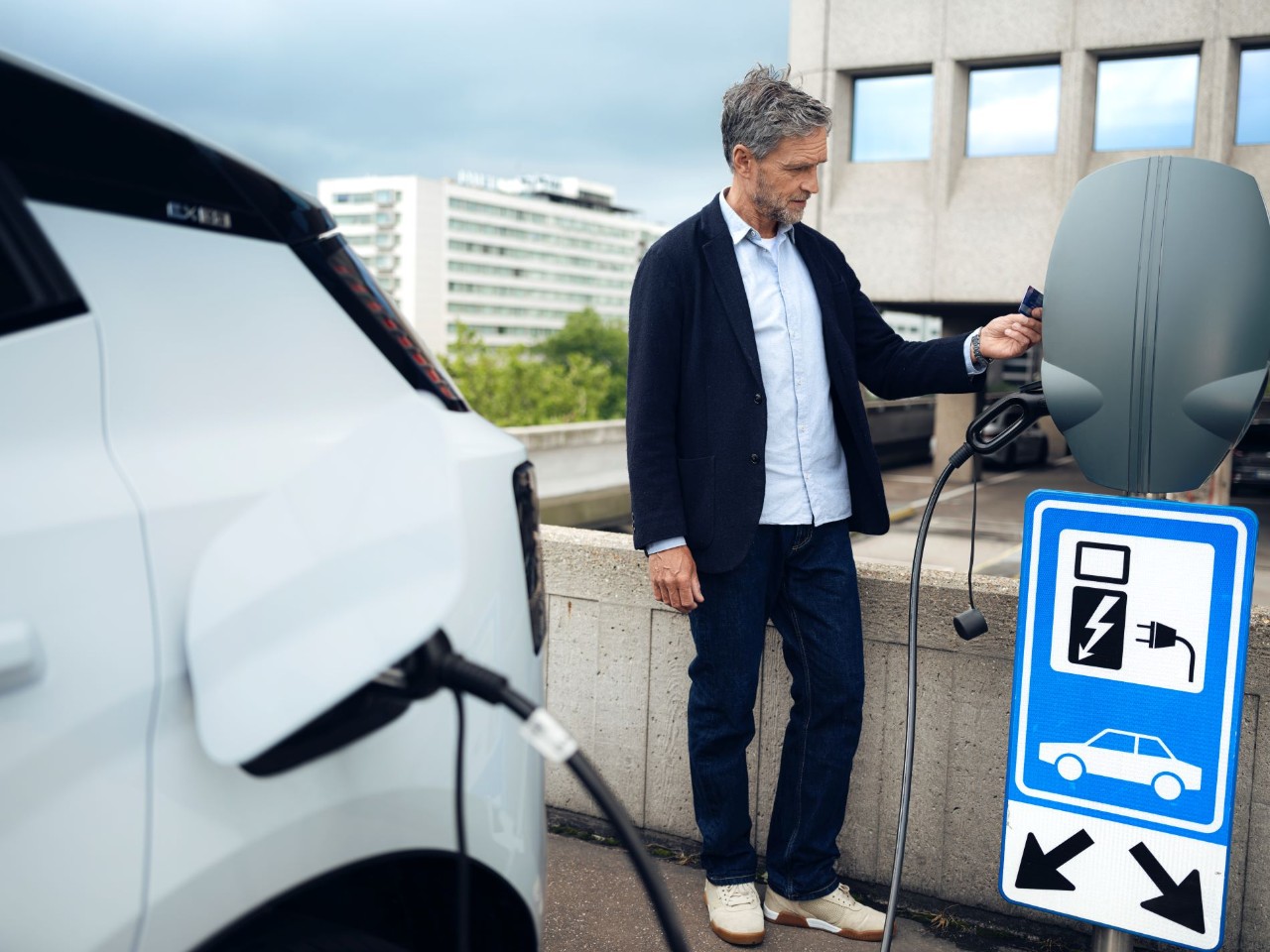
Man charging his electric vehicle

What can you do before and after driving?

Preheat your electric car


Keep an eye on the weather forecast, and take precautions if temperatures drop. Preheating your car can save you a lot of trouble. Turn on the preheat function and wait until your EV is nice and warm. This is more comfortable for you and your battery. It won't have to start from a cold state, so it will consume less energy when you leave.


Important: Charge your car from the grid when you preheat it. This way, you won't use energy from your battery, and your car will start up sufficiently charged.


Plug in your vehicle immediately


Arrived? You probably want to go straight inside to warm up. However, remember to recharge your car right away. It's a good habit that you'll be grateful for on your next trip!

Woman driving her electric car

What can you do while driving?

Use seat heating


Your car's interior heating consumes a lot of energy. If your car has seat heating, use that instead. This is not only more comfortable for your back and the seat, but also much more energy-efficient.


Choose an “ecological” route


Your GPS can also help reduce battery consumption. Use your car’s navigation system and choose the eco-route setting where possible. Based on factors such as road slope, weather conditions, and traffic lights, your GPS will calculate the most efficient route.


Use cruise control when possible


Changes in speed, such as starting, stopping, slowing down, and accelerating, also have a major impact on battery consumption. Use cruise control to keep your speed constant. (Of course, only do so if traffic conditions and safety allow!)

Extra: tips for winter sports vacations

Are you going on a ski holiday or are you heading to another (distant) destination this winter? Make sure to check the location of charging points along the way so that you can plug in your car in time.


At Alphabet, we also offer you the option of temporarily exchanging your electric car for another means of transport. Be sure to check Add-on Mobility and discover more about this service.

Related articles and services