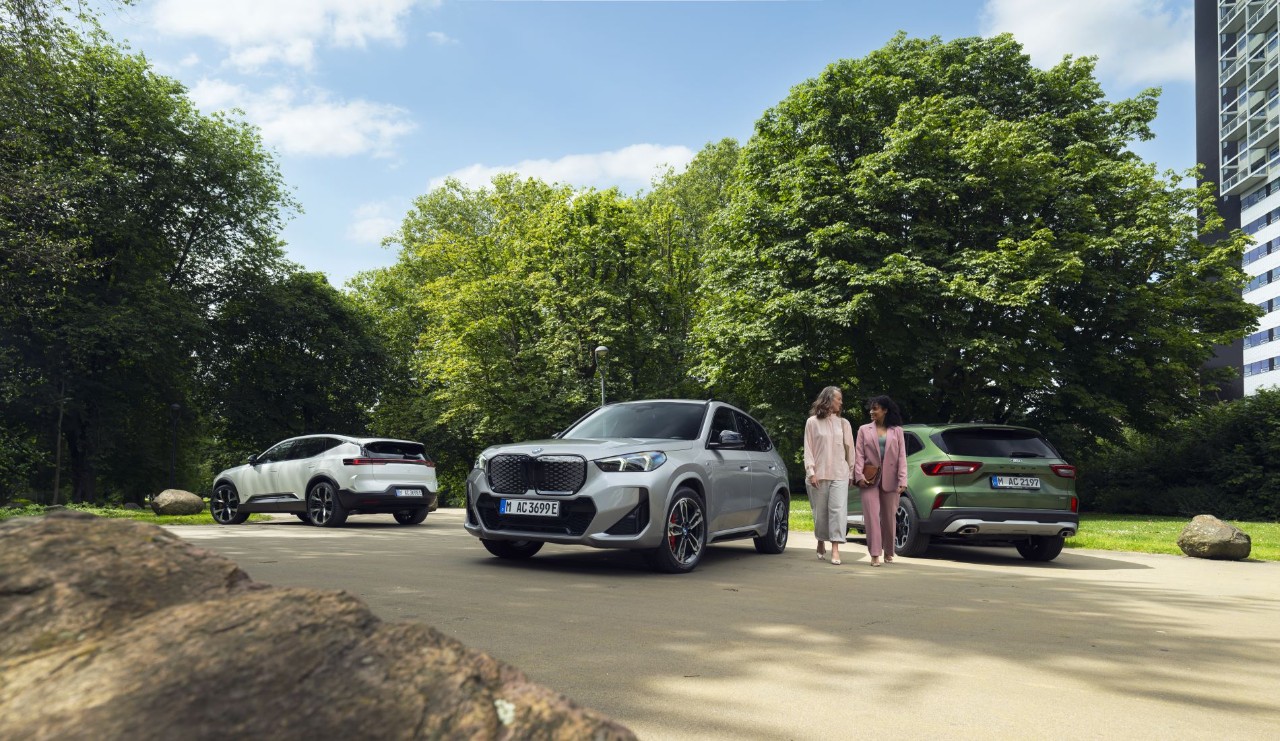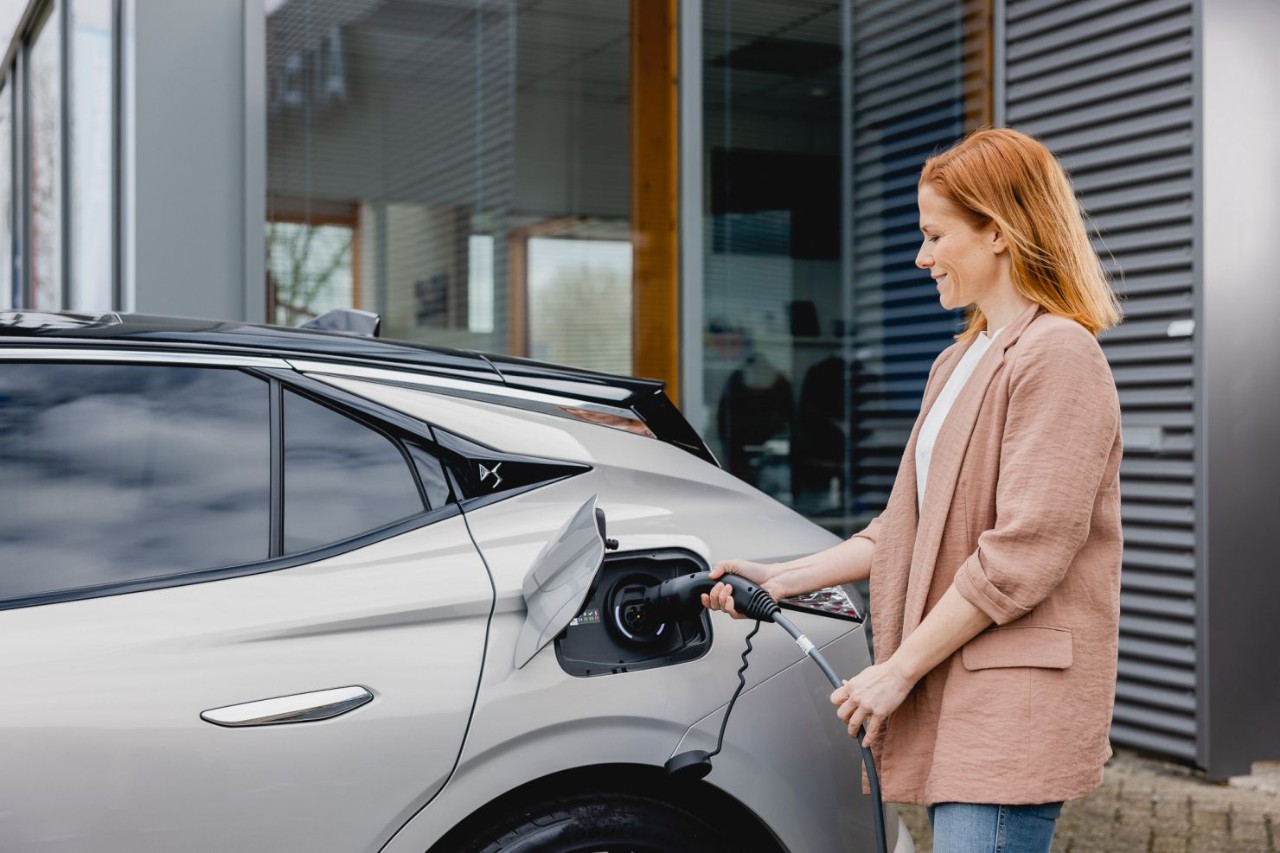
You want to (further) electrify your fleet. That naturally includes installing charging stations. But which type of charging station is most suitable? And what costs should you expect?
Discover in this blog the key things you need to know about installing charging stations at your office.
Which charging stations can you choose from? (power options)
Which charging stations can you choose from? (functionality)
Which charging stations are recommended for businesses?
In terms of power
For businesses, standard or AC charging stations are recommended.
These allow you to charge your electric vehicle(s) at a slow, steady rate. You can also charge them at a semi-fast rate, as your office building will likely have a three-phase electrical connection.
Standard charging stations are also much more energy-efficient than fast chargers.
In terms of functionality
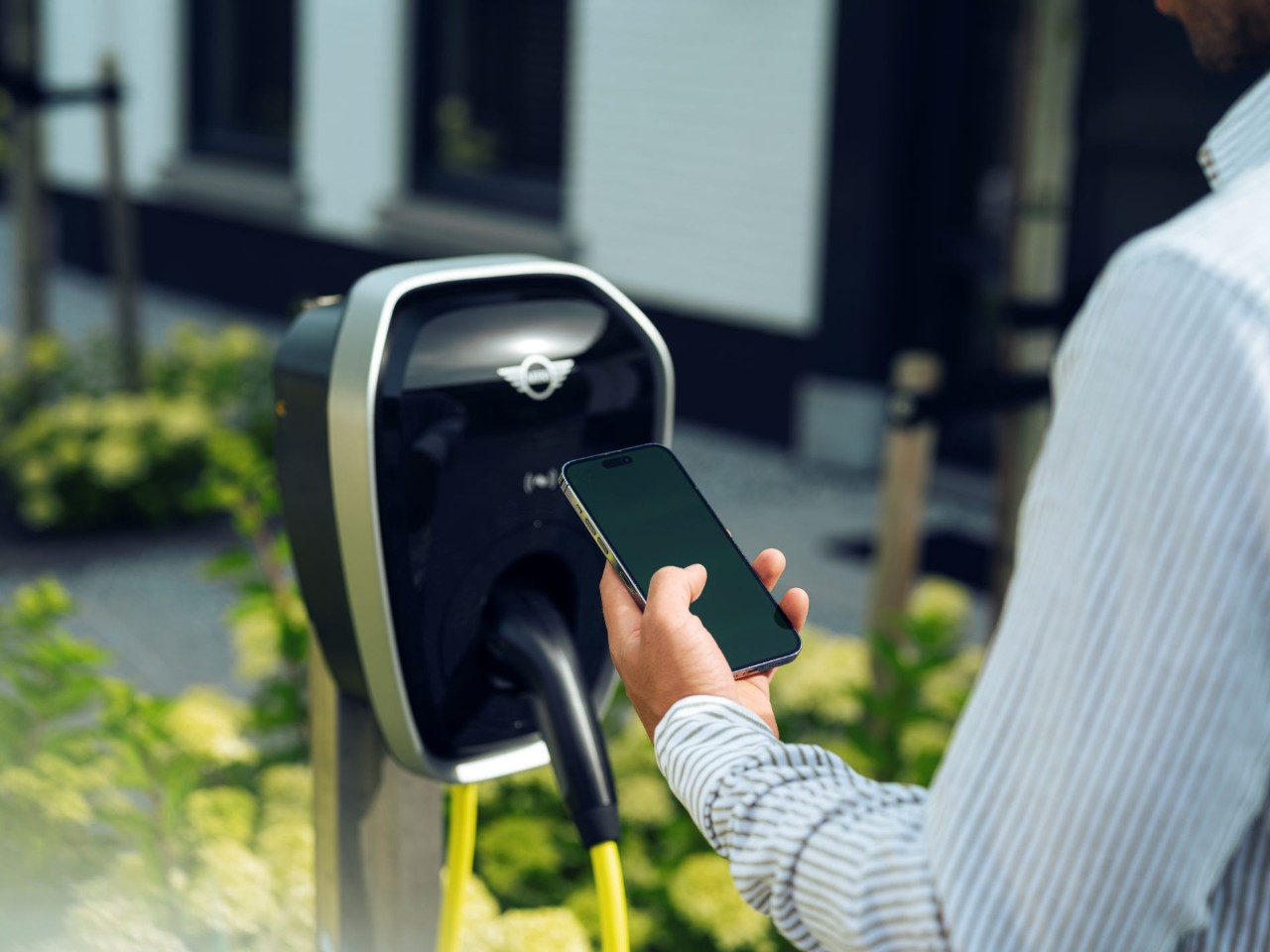
For businesses, smart charging stations are recommended.
You can control who can use your chargers (employees, customers, third parties);
You can easily manage your chargers digitally;
You always retain an overview of charging sessions and costs;
You can charge safely and efficiently thanks to load balancing.

You are required to install charging stations in your company parking lot if your building meets certain conditions.
According to the European EPBD, since 2021 there has been a requirement to install charging infrastructure in the parking areas of new buildings or buildings undergoing major renovations.
At the beginning of 2025, this obligation was extended, requiring charging infrastructure to be installed in the parking areas of certain existing buildings as well.
For the purchase and installation of charging stations, you should expect a cost of €2,500 to €3,500 per charger. The actual cost depends on various factors such as the type of charger, brand, installer, scope of work, and more.
You may also be eligible for government support for the installation of charging stations.
Another option is to lease your chargers.
Yes, there are companies that offer charging stations for lease.
Leasing charging stations works in the same way as leasing company cars: you pay a fixed monthly fee for the use of the chargers installed at your business.
How quickly an electric vehicle can charge depends on three factors:
The maximum charging capacity of the charging station: the more power the charger can deliver, the faster the vehicle can charge.
The vehicle’s battery capacity: the larger the battery, the longer it takes to fully charge.
The maximum charging capacity of the vehicle’s onboard charger: every electric vehicle has an internal charger, a converter built into the battery. The higher the capacity the onboard charger can handle, the faster the vehicle will charge.
Depending on the factors above, charging an electric vehicle takes:
2 to 4.5 hours for semi-fast charging with a standard (AC) charger;
12 to 58 minutes for fast charging with a (DC) rapid charger.